Banishing Septic Tank Odors: Natural and Simple Solutions
Ugh, that smell! We've all been there. The telltale sign of a septic tank issue, that pungent aroma wafting from your yard or even inside your home, can be incredibly embarrassing and downright unpleasant. But before you panic and call in the big guns (and potentially big bills), let's explore some natural and simple solutions for tackling those pesky septic tank odors.
The first step is understanding what's causing the problem. A well-maintained septic system shouldn't produce offensive odors. The culprit is often a buildup of solids in your tank, leading to an anaerobic environment (lack of oxygen) where bacteria thrive and release unpleasant gases. Other factors can contribute, like a faulty septic tank lid, overflowing leach field, or even something as simple as a clogged vent stack.
But don't despair! With a little effort and some natural solutions, you can neutralize those odors and restore harmony to your home.
Natural Solutions for Neutralizing Septic Tank Odors
The Power of Baking Soda and Vinegar
This dynamic duo is a classic for a reason! Their combined action effectively neutralizes odors and cleans your septic tank.
- Pour 1 cup of baking soda down the drain, followed by 1 cup of vinegar. Let the mixture sit for 15 minutes before flushing with a gallon of hot water. The fizzing action helps break down grease and organic matter, reducing odor-causing bacteria.
- Repeat this process weekly for a consistently fresh-smelling bathroom. The more you use this method, the better your tank will be able to manage odors.
Harnessing the Power of Enzymes
Enzymes, naturally occurring proteins, break down organic waste, reducing the buildup of solids in your septic tank. This not only tackles odors but also helps maintain the overall health of your system.
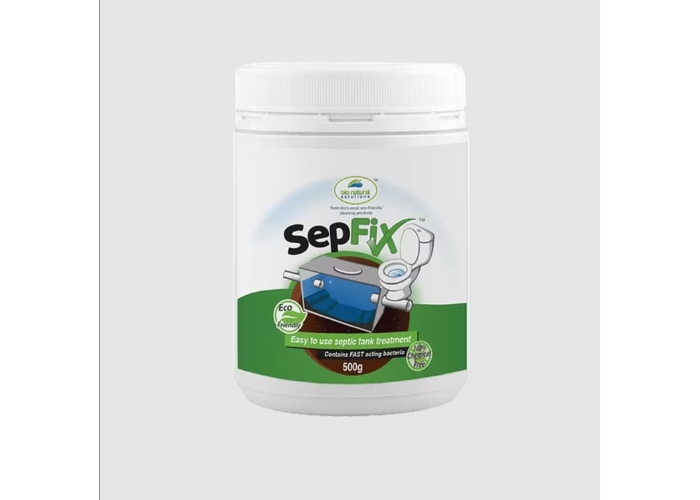
- Purchase septic tank enzyme treatment products from your local hardware store or online. These products come in liquid or granular forms, and you simply add them to your septic tank according to the directions.
- Consider adding a natural alternative like citrus peels. Toss citrus peels down your drains (avoiding the garbage disposal) to introduce natural enzymes that can help break down waste and combat odors.
The Importance of Proper Waste Management
Believe it or not, what you flush down your drains can have a huge impact on your septic tank's health and odor levels. Here are some simple practices to implement:
- Avoid flushing non-biodegradable items like wipes, paper towels, and feminine hygiene products. These can clog your pipes and disrupt your septic system's functionality.
- Minimize grease and oil going down the drain. These substances solidify and contribute to clogging, disrupting your septic system's flow. Scrape plates into the trash and pour cooking oils into a container for proper disposal.
- Reduce the amount of bleach used in your laundry. While bleach can help sanitize your clothes, it also kills the beneficial bacteria in your septic tank that help decompose waste. Opt for eco-friendly detergents and limit bleach use when possible.
Beyond the Tank: Addressing Other Potential Odor Sources
Once you've tackled the tank itself, consider other potential culprits that might be contributing to the unpleasant aroma.
Check Your Vent Stack
Your septic tank has a vent stack that allows gases to escape safely into the atmosphere. If this vent is blocked or clogged, those gases can build up and create a foul smell. Inspect your vent stack, which is often a pipe extending from your roof. Clear any obstructions or debris you find.
Inspect Your Drainfield
Your drainfield is the area where treated wastewater is released from your septic tank. If it's overwhelmed or clogged, it can lead to backflow and unpleasant odors. Check for signs of flooding or pooling water near your drainfield, which could indicate a problem.
Tackle Home Odors
Sometimes, the source of the odor isn't your septic system, but simply trapped air within your home. Here are some strategies to combat that:
- Improve ventilation. Open windows and doors to circulate fresh air and remove stagnant odors.
- Use air fresheners strategically. Choose odor-eliminating sprays or diffusers with natural ingredients like citrus, lavender, or essential oils.
- Consider a dehumidifier. High humidity can trap odors and create an unpleasant environment. A dehumidifier helps control moisture levels, reducing the potential for odor build-up.
Prevention is Key
Remember, the best way to avoid septic tank odors is to maintain a healthy system. Here are some preventive measures:
- Schedule regular septic tank inspections and pumping. A qualified professional can assess your tank's condition and recommend pumping as needed. Most septic tanks should be pumped every 3-5 years, but factors like household size and usage can influence this timeline.
- Monitor your septic system for signs of trouble. Keep an eye out for slow drains, gurgling noises, or changes in water pressure. These could indicate a potential issue that requires attention.
- Be mindful of what you flush. Again, avoid flushing anything that doesn't break down easily. Every little bit helps!
Commonly Asked Questions
Q: How often should I pump my septic tank?
A: Most septic tanks should be pumped every 3-5 years, but factors like household size and usage can influence this timeline. If you're unsure, consult a qualified septic system professional.
Q: What if I've tried all these solutions and the odor persists?
A: If you've exhausted all these options and the odor remains, it's time to call a professional. There could be a more serious underlying problem, such as a crack in your tank, a failing drainfield, or a blockage within the system that requires expert attention.
Q: Are there any natural alternatives to commercial enzyme treatments?
A: While commercial enzyme treatments are effective, you can also try adding natural alternatives like citrus peels or yeast to your septic tank. These contain enzymes that can help break down organic waste.
Remember, a well-maintained septic system is vital for your home's health and comfort. By following these natural and simple solutions, you can keep those unpleasant odors at bay and enjoy a fresh-smelling home.
0 comments:
Post a Comment
Note: Only a member of this blog may post a comment.