Wednesday, November 20, 2024

Is There a Permanent Solution to My Septic Tank Odor Problems?

Is There a Permanent Solution to My Septic Tank Odor Problems?

Is There a Permanent Solution to My Septic Tank Odor Problems?

That awful smell wafting from your yardâ€"a pungent reminder of the unseen plumbing beneath your feet. Septic tank odor is a frustrating problem, often leaving homeowners feeling helpless and disgusted. But before you resign yourself to a life of olfactory unpleasantness, know this: a permanent solution is often achievable, but it requires understanding the root cause of the problem. Ignoring the issue only allows it to fester and worsen, potentially leading to costly repairs down the line. Let's dive into the possibilities and discover how you can reclaim your property's fresh air.

Identifying the Source of the Stench

The first step in conquering septic tank odor is pinpointing its source. A simple whiff might indicate a problem, but precise location is key for effective remediation. The smell might originate from the tank itself, a cracked pipe in the leach field, or even a poorly ventilated bathroom vent. Thoroughly inspect your system, looking for cracks, leaks, and signs of standing water. Pay close attention to the area surrounding the tank and the leach field for any signs of saturated soil or unusual plant growth. If you're unsure, a professional inspection by a licensed septic service provider can provide invaluable insight. They possess the expertise and specialized equipment to diagnose the issue accurately.

Common Culprits Behind Septic Odors

Several factors contribute to septic tank odors. These include:

  • Clogged drain lines: Blockages prevent wastewater from flowing properly, causing backups and foul smells.
  • Failing septic tank components: A cracked tank or failing lid allows gases to escape.
  • Overloaded septic tank: An excessively full tank leads to wastewater backing up and releasing odor.
  • A malfunctioning leach field: If the leach field is unable to adequately filter wastewater, it can cause a buildup of wastewater and odors.
  • Improper ventilation: Inadequate venting of sewer gases can trap odors in your home.

Effective Solutions for Long-Term Odor Control

Once you've identified the problem, selecting the right solution becomes crucial for long-term odor control. Simple fixes might suffice for minor issues, while more complex problems demand professional intervention. Avoid temporary solutions like harsh chemicals, as these often only mask the problem and can damage your septic system. Instead, focus on addressing the underlying cause.

Addressing Specific Issues

Here are some effective solutions based on the problem:

  • Clogged drain lines: Call a plumber to clear the blockage. Prevent future clogs by avoiding pouring grease down the drains and using drain screens.
  • Failing septic tank components: Repair or replace the damaged components. This often requires professional help and may necessitate excavation.
  • Overloaded septic tank: Pump out the tank and reduce wastewater production. Avoid flushing inappropriate items like wipes and sanitary products.
  • Malfunctioning leach field: This requires professional assessment. Repair or replacement of the leach field might be necessary.
  • Improper ventilation: Ensure proper ventilation by checking and cleaning vent pipes. Consult a plumber if needed.

Prevention is Key: Maintaining Your Septic System

Regular maintenance is the most effective way to prevent future septic tank odor problems. Schedule routine septic tank pumping every 3-5 years (or more frequently depending on tank size and household size). Avoid overloading the system by being mindful of what you flush. Consider using septic-safe products and educating your household about responsible wastewater disposal. By actively maintaining your septic system, you significantly reduce the likelihood of encountering unpleasant odors and costly repairs down the line. A proactive approach guarantees a fresh-smelling home environment for years to come.

How Do I Prevent Septic Tank Smells in My Home Long-Term?

How Do I Prevent Septic Tank Smells in My Home Long-Term?

Banishing Those Pesky Septic Tank Smells: A Long-Term Guide

Let's be honest, nobody wants their home smelling like a…well, you know. Septic tank smells are not only unpleasant but can also indicate a problem with your system. Luckily, preventing those awful odors is entirely possible with a proactive approach. This guide will walk you through long-term solutions to keep your home fresh and your septic system happy.

Understanding the Source of the Smell

Before we dive into solutions, it's crucial to understand why you're getting those smells in the first place. Septic tank odors typically arise from gases escaping the system. These gases are primarily hydrogen sulfide, a smelly compound produced by bacteria breaking down waste. The smell can enter your home through several pathways:

  • Cracks or leaks in the tank or pipes: This is the most common culprit. Age, ground settling, or even tree roots can cause damage, allowing gases to seep out.
  • Improper ventilation: Your septic system needs proper venting to release gases safely. A blocked or insufficient vent pipe can force gases to find alternative escape routes, like your home.
  • Full or overflowing tank: A full tank is under pressure, increasing the likelihood of gas escaping. This also indicates a much more serious problem that needs immediate attention.
  • Problems with the drain field: If your drain field is clogged or failing, wastewater can back up, leading to foul odors.
  • Improper disposal of waste: Putting inappropriate items down your drains (think grease, excessive amounts of cleaning products, feminine hygiene products, etc.) can disrupt the bacterial balance in your septic system, leading to increased gas production.

Identifying the source is the first step towards eliminating the smell. If you suspect a serious issue like a crack or overflow, it's essential to call a septic professional immediately. Don't try to fix this yourself â€" it could make things much worse.

Preventative Measures: Keeping Your Septic System Happy

The key to long-term odor prevention is maintaining a healthy and efficiently functioning septic system. Here's how:

Regular Inspections and Pumping

Think of your septic system like a car â€" it needs regular maintenance. Schedule regular inspections by a qualified septic professional. They can identify potential problems early on, before they escalate into smelly disasters. How often you need your tank pumped depends on your household size and usage, but generally, every 3-5 years is a good rule of thumb. Don't wait until it's overflowing!

Wise Waste Management

What you put down your drains directly impacts your septic system's health. Follow these guidelines:

  • Avoid flushing anything other than human waste and toilet paper. This includes feminine hygiene products, wipes (even those labeled "flushable"), cotton balls, dental floss, and more. These items don't break down properly and can clog your system.
  • Minimize grease and oil going down the drain. Grease solidifies in pipes and contributes to clogs. Let oils cool and dispose of them in the trash.
  • Use cleaning products sparingly. Excessive chemicals can disrupt the delicate bacterial balance in your septic tank. Opt for environmentally friendly, septic-safe cleaning products whenever possible.
  • Be mindful of water usage. Overloading your system with excessive water can overwhelm the tank and drain field.

Maintaining Your Drain Field

The drain field is the unsung hero of your septic system. Avoid driving or parking over it, planting large trees near it (their roots can damage pipes), and avoid any activities that could compact the soil. A healthy drain field is crucial for proper wastewater dispersal and odor prevention.

Proper Ventilation

Ensure your septic system has adequate ventilation. The vent pipe should be unobstructed and extend several feet above the ground. If you suspect a problem with your venting system, it's best to contact a professional.

Consider Septic Additives

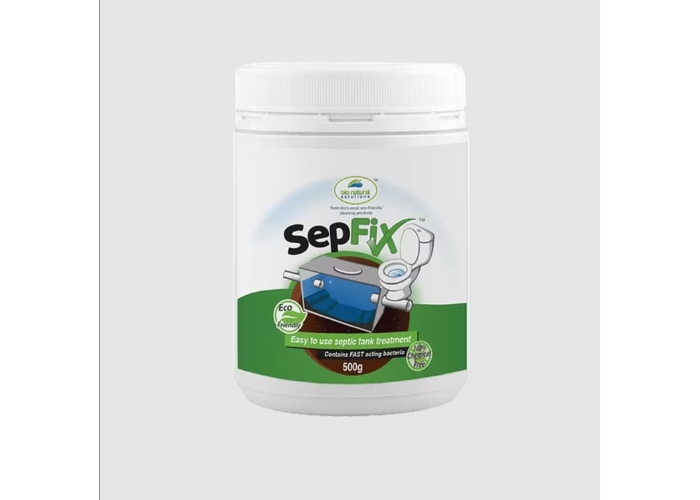
Septic tank additives contain beneficial bacteria that aid in the breakdown of waste. These can help maintain a healthy bacterial balance and reduce odor-causing gases. However, it's essential to choose a product specifically designed for septic systems and follow the instructions carefully.

Addressing Existing Smells

If you're already battling septic tank smells, here are some immediate steps you can take:

  • Check for leaks and cracks: Look around your septic tank and drain field for any visible signs of damage. If you see cracks or leaks, contact a professional immediately.
  • Improve ventilation: Make sure your vent pipe is clear of obstructions. If needed, call a professional to assess and address any venting issues.
  • Pour baking soda and vinegar down the drains: This simple home remedy can help neutralize odors temporarily. Pour a cup of baking soda followed by a cup of vinegar down each drain. Let it fizz, then flush with hot water.
  • Use odor absorbers: Place bowls of activated charcoal or baking soda strategically around your home to absorb odors. Remember, these only mask the smell, they don't address the underlying problem.
  • Open windows and doors: Improve air circulation to help ventilate the house and dissipate the smells.

Remember, these are temporary solutions. If the smells persist, you must address the underlying problem in your septic system.

When to Call a Professional

Don't hesitate to call a qualified septic professional if:

  • You notice any unusual odors, especially strong or persistent ones.
  • Your toilets or drains are slow to drain or are backing up.
  • You see standing water around your drain field.
  • Your septic tank is visibly full or overflowing.
  • You suspect damage to your septic system (cracks, leaks, etc.).

Frequently Asked Questions

Q: How often should I pump my septic tank?

A: This depends on several factors, including household size and water usage. Generally, every 3-5 years is a good starting point, but a septic professional can advise you on the ideal schedule for your specific system.

Q: What are some septic-safe cleaning products?

A: Look for products specifically labeled as "septic safe." Many environmentally friendly cleaning products are also suitable for septic systems.

Q: Can I use chemical drain cleaners on my septic system?

A: It's best to avoid chemical drain cleaners. They can harm the beneficial bacteria in your septic tank and damage the system.

Q: What should I do if I see sewage backing up into my house?

A: This is a serious issue. Immediately contact a septic professional and evacuate the area if necessary. Sewage is hazardous to your health.

Q: How can I tell if my drain field is failing?

A: Signs of a failing drain field include slow draining toilets and sinks, standing water around the drain field, and persistent foul odors. A septic professional can diagnose the problem.

By following these guidelines and staying proactive, you can significantly reduce the risk of unpleasant septic tank smells and maintain a healthy, functioning system for years to come. Remember, prevention is key!

Sunday, November 17, 2024

How to Fix and Eliminate Septic Tank Odor Problems Inside Your House

How to Fix and Eliminate Septic Tank Odor Problems Inside Your House

How to Fix and Eliminate Septic Tank Odor Problems Inside Your House

A foul odor emanating from your house can be a sign of a septic system problem. Septic tanks are designed to break down waste and release clean water back into the environment, but when they malfunction, they can release unpleasant odors. Fortunately, most septic tank odor problems can be addressed with a combination of preventive measures and prompt repairs.

This comprehensive guide will equip you with the knowledge and steps to identify the source of the odor, troubleshoot the issue, and ultimately eliminate it, ensuring a clean and pleasant home environment.

Understanding Septic Tank Odor: The Root Cause

Septic tank odor originates from the breakdown of organic waste within the tank. When the system is functioning correctly, the bacteria in the tank decompose the waste, producing a layer of sludge at the bottom and a layer of scum at the top. The liquid effluent, known as wastewater, is discharged to a drainfield, where it is further filtered and released back into the environment.

However, when the system malfunctions, the decomposition process can become inefficient, leading to a buildup of gases that contain sulfur compounds, responsible for the characteristic rotten egg smell. These gases can escape the tank and enter your house through various pathways, including:

  • Vent pipes: These pipes are designed to vent gases safely to the outside, but blockages or cracks can allow them to enter the house.
  • Floor drains: If the drainfield is overloaded or malfunctioning, wastewater can back up into the house through floor drains.
  • Cracks in the septic tank: Cracks or leaks in the tank can allow gases to escape and enter the house.
  • Improperly sealed pipes: Loose connections or missing seals in the plumbing system can provide pathways for odor to enter.

Identifying the Source of the Septic Tank Odor

Before tackling the odor problem, it's crucial to pinpoint its source. This will help you determine the most effective course of action.

Inspecting the Vent Pipe

Start by examining the vent pipe, usually located on the roof or a nearby elevated structure. Check for any signs of blockage, such as leaves, twigs, or bird nests. Look for cracks or damage in the pipe, which could allow odors to escape.

Checking Floor Drains

Inspect floor drains, especially in the basement or crawl space, for any signs of wastewater backflow. Observe whether there is a foul odor emanating from the drains, and check for any visible signs of water pooling around the drains.

Investigating the Septic Tank

If you suspect a problem with the septic tank itself, carefully inspect the tank for any visible cracks or leaks. If possible, remove the lid of the tank and observe the contents for any signs of unusual accumulation of sludge or scum. Remember that septic tank inspection should be handled with extreme caution due to the potential for hazardous gases.

Eliminating Septic Tank Odor: Effective Solutions

Once you've identified the source of the odor, you can implement appropriate solutions to eliminate it.

Addressing Vent Pipe Issues

  • Cleaning the vent pipe: Use a long brush or plumber's snake to remove any blockages from the vent pipe. This should be done with caution to avoid falling debris.
  • Repairing or replacing a damaged vent pipe: If the vent pipe is cracked or damaged, you will need to repair or replace it to prevent odors from entering the house. This task is best left to a qualified plumber.

Dealing with Floor Drain Backflow

Floor drain backflow usually indicates an overloaded or malfunctioning drainfield. It may be necessary to pump out the septic tank and inspect the drainfield. If the drainfield is overloaded, consider installing a larger drainfield or utilizing a more efficient waste treatment system.

Resolving Septic Tank Problems

  • Repairing cracks or leaks: Small cracks can be sealed with epoxy or other appropriate materials. Larger cracks or leaks may require professional repair or tank replacement.
  • Pumping the septic tank: If the tank is full of sludge and scum, it needs to be pumped out by a licensed professional. Regular pumping is crucial for proper septic tank operation.
  • Maintaining a healthy septic system: Follow these preventative measures to prevent odor problems:

Preventative Maintenance: Key Practices

  • Avoid flushing non-biodegradable items: This includes items such as wipes, paper towels, and feminine hygiene products. These items can clog the system and contribute to odor problems.
  • Limit the use of harsh chemicals: Chemicals like bleach and disinfectants can kill the beneficial bacteria in the septic tank, disrupting the decomposition process and potentially leading to odor.
  • Maintain a regular pumping schedule: Have your septic tank pumped out every 3-5 years, depending on the size of your tank and household usage. Consult with a septic tank professional for a recommended schedule.
  • Consider using septic tank additives: These additives can enhance the bacterial activity in the tank, improving waste decomposition and reducing odor. Choose products that are compatible with your septic system.

When to Call a Professional

While some septic tank odor problems can be addressed with DIY solutions, it's essential to know when professional help is needed. If you're unsure about the cause of the odor or have tried basic troubleshooting steps without success, call a qualified septic tank technician. Here are some specific situations that require professional assistance:

  • Recurring odor problems: If the odor persists despite your efforts to address it, a professional can diagnose the root cause and provide a more permanent solution.
  • Visible leaks or cracks: Leaks and cracks in the septic tank or its components should be addressed by a professional. Unrepaired leaks can lead to environmental contamination and structural damage.
  • Overflowing septic tank: An overflowing septic tank is a serious issue that can cause damage to your property and pollute the environment. It requires immediate attention from a professional.

Conclusion: Maintaining a Clean and Odor-Free Home

Septic tank odor problems can be frustrating and disruptive, but by understanding the cause and implementing effective solutions, you can eliminate them and enjoy a clean and pleasant home environment. Regular maintenance and preventative measures are essential for keeping your septic system functioning correctly and preventing odor issues. Remember to seek professional assistance when needed, and keep your home free from unpleasant smells.

How to Fix Septic Tank Odors Using Natural, Non-Toxic Remedies

How to Fix Septic Tank Odors Using Natural, Non-Toxic Remedies

Conquering Septic Tank Odors: A Natural & Non-Toxic Approach

Ugh, that smell! Septic tank odors are never pleasant, and they can be a real source of embarrassment and worry. You're not alone in this battle; many homeowners face this issue. The good news? You don't need harsh chemicals or expensive solutions to tackle it. There are plenty of natural, non-toxic methods that can effectively banish those unpleasant smells and keep your home fresh and inviting.

Let's dive into these eco-friendly strategies and reclaim your home's air quality!

The Root of the Stink: Understanding Septic System Odors

Before we jump into solutions, it's helpful to understand where those smells are coming from. Your septic system is a crucial part of your home's waste management. It breaks down waste through a natural process involving bacteria. However, things can go awry, leading to those pesky odors.

Here are a few common culprits:

  • Overloading: Think of your septic tank like a bathtub â€" too much water, and things overflow! If you're frequently doing large loads of laundry or using lots of water for gardening, it can strain your system.
  • Poor Maintenance: Just like your car needs regular servicing, your septic tank needs attention too. Without regular pumping, sludge and scum build up, hindering the bacteria's job and leading to smelly consequences.
  • Clogged Drainfield: The drainfield, where wastewater filters out, can become clogged with roots or debris. This can restrict drainage, leading to back-ups and odor problems.
  • Cracks or Leaks: Sometimes, the septic tank itself can develop cracks or leaks, allowing unpleasant smells to escape.

Natural Solutions to Neutralize Septic Tank Odors

Now that you have a better understanding of the causes, let's explore effective, natural ways to address the issue:

1. The Power of Baking Soda & Vinegar

This classic duo is a cleaning powerhouse! Baking soda neutralizes odors, while vinegar helps to break down grease and grime. Here's how to use them:

  • Flush with Baking Soda: Pour 1 cup of baking soda down your toilet and let it sit for a few minutes before flushing. This helps absorb odors and deodorize the system.
  • Vinegar Rinse: Follow up with a gallon of white vinegar poured down the toilet. Let it sit for a while, then flush. The vinegar will help disinfect and break down any remaining odor-causing substances.
  • For stubborn smells: Combine 1/2 cup baking soda, 1 cup vinegar, and 1/2 cup salt. Pour this mixture down your toilet and let it sit overnight before flushing.

2. Harness the Strength of Enzymes

Enzymes are microscopic helpers that break down organic waste. They naturally occur in your septic system, but adding extra help can boost their effectiveness:

  • Septic Tank Additives: Look for natural septic tank additives that contain enzymes and bacteria. They help speed up the breakdown of waste, reduce sludge buildup, and minimize odors.
  • DIY Enzyme Solution: Mix 1 cup of dry yeast with 1/2 cup of molasses and dissolve in a gallon of water. Pour this mixture down your toilet once a month. Yeast and molasses provide food for the beneficial bacteria in your septic tank.

3. Odor-Absorbing Heroes: Charcoal & Coffee Grounds

These natural ingredients can help trap and neutralize odors:

  • Charcoal: Activated charcoal is an excellent odor absorber. Place a few charcoal briquettes in a small container near your toilet or any area where you notice the strongest smell. Replace them every few months.
  • Coffee Grounds: Coffee grounds have a naturally absorbent quality that helps neutralize odors. Spread a layer of coffee grounds around your toilet bowl or in a bowl near the area with the strongest smell.

4. The Power of Plants

Certain plants are known for their ability to absorb odors and purify the air:

  • Spider Plants: These hardy indoor plants are efficient odor absorbers, making them excellent companions for a bathroom.
  • Peace Lilies: Not only do peace lilies have beautiful blooms, they also help remove toxins and neutralize odors from the air.
  • Snake Plants: These low-maintenance plants are excellent air purifiers and can help absorb odors in your home.

Beyond the Home: Preventing Future Odors

Once you've tackled those odors, it's important to prevent them from returning. Here are some proactive measures:

  • Limit Water Usage: Avoid running the washing machine or dishwasher unnecessarily. Take shorter showers and consider using water-saving showerheads.
  • Avoid Flushing Non-Biodegradables: Only flush toilet paper and human waste. Keep items like paper towels, wipes, and feminine hygiene products out of your septic system. These can clog the system and cause odors.
  • Regular Septic Tank Pumping: Schedule regular septic tank inspections and pumpings as recommended by your local authorities. This ensures proper function and prevents buildup.
  • Maintain Your Drainfield: Avoid planting trees or large shrubs near your drainfield, as their roots can damage the system. Keep the area free of debris and overgrown vegetation.

Commonly Asked Questions

1. How often should I have my septic tank pumped?

The frequency of septic tank pumping varies depending on factors like the size of your tank, the number of people in your household, and your water usage. However, a good rule of thumb is to have it pumped every 3-5 years. It's best to consult with a local septic system professional for personalized recommendations.

2. Can I use bleach to deodorize my septic tank?

While bleach can seem like an effective way to tackle odors, it's not ideal for your septic system. Bleach can kill the beneficial bacteria that are essential for breaking down waste. It can also damage the septic tank itself. Stick to natural solutions like baking soda and vinegar.

3. Is it safe to use commercial septic tank additives?

If you choose to use commercial septic tank additives, make sure they're safe for your system. Look for products that are biodegradable and don't contain harsh chemicals. Always follow the manufacturer's instructions carefully.

Conquering septic tank odors is a journey that involves understanding the causes, embracing natural solutions, and practicing preventative measures. By taking a proactive approach and using these eco-friendly tips, you can keep your home smelling fresh and inviting for years to come!

How to Eliminate Strong Septic Tank Smells Inside Your House

How to Eliminate Strong Septic Tank Smells Inside Your House

How to Eliminate Strong Septic Tank Smells Inside Your House

The distinctive and unpleasant odor of sewage can be a source of embarrassment and discomfort for homeowners. When these smells invade your home, it's a clear indication that something is amiss with your septic system. While the source of the problem may lie within the septic tank itself, there are several factors that can contribute to these odors reaching the interior of your house. This article will guide you through the potential causes and provide practical solutions to eliminate strong septic tank smells from your home.

Understanding the Source of Septic Tank Smells

The presence of sewage odors in your home often signals a breakdown in the integrity of your septic system. Here's a breakdown of the most common culprits:

1. Septic Tank Overflow or Backup

A full or overflowing septic tank is a prime suspect. When the tank reaches its capacity, the solid waste, known as sludge, and the liquid waste, referred to as effluent, can back up into the drain field, causing a buildup of pressure and allowing gases to escape. These gases, rich in hydrogen sulfide and ammonia, are the primary contributors to the unpleasant odor.

2. Faulty or Clogged Drain Field

The drain field is a crucial component of the septic system, responsible for filtering and dispersing wastewater. If the drain field becomes clogged, it can create a backflow of sewage, leading to foul smells. Blockages can arise from accumulated sludge, roots penetrating the field, or compacted soil.

3. Leaking Pipes or Connections

Leaks in the pipes connecting your plumbing system to the septic tank can allow sewage to escape and permeate the surrounding area. This can happen in the vent stack, which is designed to release gases from the system, or at any point along the plumbing lines. These leaks can be particularly problematic, as they can often be hidden and difficult to detect.

4. Improper Ventilation

A poorly ventilated septic system can create a vacuum that pulls air from your home, carrying sewer gases along with it. This is especially common in bathrooms, where the vent stack often connects to the plumbing system. If the vent stack is blocked or obstructed, gases can be drawn back into the house.

5. Dried-Out Drain Field

A dry drain field can inhibit the proper function of your septic system. When the soil surrounding the drain field becomes too dry, it can restrict the flow of effluent, causing backups and foul odors. This is more likely to occur during periods of drought or when there is limited water usage.

Eliminating Septic Tank Smells: A Step-by-Step Approach

Dealing with septic tank smells requires a systematic approach. Here's a comprehensive guide to tackling this issue effectively:

1. Identify the Source

Before you begin any remediation efforts, it's essential to pinpoint the source of the odor. Observe the location of the strongest smell. Is it emanating from the bathroom, kitchen, or a specific room in your home? Pay close attention to any signs of plumbing leaks or water pooling around the drain field.

2. Inspect the Drain Field

If you suspect a problem with the drain field, inspect its condition. Look for signs of soil erosion, cracks in the leach lines, or visible roots growing into the field. You may also notice water pooling or standing around the field, indicating poor drainage.

3. Check the Septic Tank

A homeowner can perform a basic check of the septic tank by inspecting the lid for any signs of overflow. You can also look for bubbles in the tank's sludge, which could indicate an accumulation of gases. However, it's always advisable to consult a professional for a more thorough inspection.

4. Address Plumbing Issues

Examine your plumbing system for any leaks, especially around the vent stack and the lines leading to the septic tank. You can use a flashlight to look for signs of water damage or dripping. If you detect a leak, it's important to have it repaired immediately to prevent further problems.

5. Maintain Proper Ventilation

Ensure that the vent stack on your roof is free of obstructions and properly vented. Check for any blockages caused by debris or bird nests. A clogged vent stack can significantly contribute to odor problems.

6. Flush the System

If you suspect a clogged drain field, consider flushing your septic system. This involves pouring a large amount of water into the system to try to clear any blockages. You can achieve this by running several loads of laundry, taking long showers, or watering your lawn for an extended period.

7. Consider Using Septic Tank Additives

Septic tank additives can help to break down solid waste, prevent sludge buildup, and control odors. These additives typically contain bacteria and enzymes that help to digest organic matter in the tank.

8. Professional Assistance

If the odor persists or if you suspect a serious issue with your septic system, it's crucial to seek professional assistance. A qualified septic tank contractor can inspect your system thoroughly, diagnose the problem, and provide appropriate solutions.

Preventing Septic Tank Smells

To avoid experiencing these unpleasant odors, follow these preventative measures:

1. Regular Maintenance

Schedule regular septic tank inspections and pumping every 3-5 years, or as recommended by your local authorities. This ensures proper functioning and prevents excessive sludge buildup.

2. Avoid Flushing Problematic Items

Don't flush non-biodegradable items down the toilet, such as wipes, diapers, paper towels, and feminine hygiene products. These items can clog the system and create odor issues.

3. Limit Chemical Use

Minimize the use of harsh chemicals, such as bleach, drain cleaners, and disinfectants, which can harm the beneficial bacteria in your septic tank.

4. Conserve Water

Practice water conservation measures, such as taking shorter showers, using low-flow fixtures, and watering your lawn efficiently. This will help prevent your septic tank from becoming overloaded.

5. Monitor Septic Tank Usage

Keep track of your septic tank's usage and ensure that you are not exceeding its capacity. If you are experiencing frequent backups or odours, it may indicate that your system is too small for your household's needs.

Conclusion

Addressing septic tank smells requires a thorough approach. By understanding the potential causes, following a systematic troubleshooting process, and implementing preventative measures, you can eliminate these unpleasant odours and ensure a healthy and odor-free home environment. Remember that if you suspect a serious problem with your septic system, it's essential to consult a professional for expert advice and solutions.

Why You Should Clean Your Septic Tank Naturally and Avoid Harmful Chemicals

Why You Should Clean Your Septic Tank Naturally and Avoid Harmful Chemicals

Clean Your Septic Tank Naturally: Why Avoiding Chemicals is Crucial

Your septic tank is a vital component of your home's wastewater system. It's where solid waste settles and decomposes, while the treated water is released back into the environment. Maintaining a healthy septic system is essential for a clean home and a thriving ecosystem. While many people turn to harsh chemicals to tackle septic tank issues, a natural approach is often the safest and most effective option.

Why Avoid Chemicals?

Chemicals can wreak havoc on your septic tank and the surrounding environment. Here's why a chemical-free approach is the better choice:

Environmental Damage

Chemicals leach into the soil and groundwater, contaminating drinking water sources and harming wildlife. Many chemicals, including chlorine and bleach, kill beneficial bacteria essential for breaking down waste in your septic tank.

Septic Tank Damage

Chemicals can corrode pipes, damage the tank's lining, and disrupt the delicate balance of the bacteria that naturally decompose waste. This can lead to costly repairs or even a complete septic system failure.

Health Risks

Chemicals can release harmful fumes that can irritate your lungs and cause respiratory problems. They can also contaminate your home's water supply, putting your family's health at risk.

Natural Septic Tank Maintenance

Thankfully, there are many natural and eco-friendly ways to keep your septic tank healthy:

Regular Pumping

The most crucial step is to have your septic tank pumped every 3-5 years, depending on your household size and usage. This removes accumulated sludge and prevents backups and clogs.

Proper Waste Disposal

Avoid flushing anything other than human waste and toilet paper down the toilet. This includes:

  • Coffee grounds
  • Grease and oil
  • Disposable wipes
  • Feminine hygiene products
  • Paper towels
These items can clog your system and hinder the natural decomposition process.

Natural Additives

Use natural septic tank additives that promote bacterial activity. Products made from beneficial bacteria, enzymes, and yeast can enhance the decomposition process and improve system efficiency.

Regular Inspections

Schedule regular septic tank inspections by a qualified professional. They can identify potential issues early and suggest preventive measures to keep your system functioning smoothly.

Embrace a Sustainable Future

Choosing natural methods for septic tank maintenance not only protects your system and wallet but also contributes to a healthier environment. By avoiding harmful chemicals, you can preserve the delicate balance of your septic system and ensure a clean and safe home for years to come.

Saturday, November 16, 2024

Natural and Simple Solutions for Tackling Septic Tank Odors

Natural and Simple Solutions for Tackling Septic Tank Odors

Banishing Septic Tank Odors: Natural and Simple Solutions

Ugh, that smell! We've all been there. The telltale sign of a septic tank issue, that pungent aroma wafting from your yard or even inside your home, can be incredibly embarrassing and downright unpleasant. But before you panic and call in the big guns (and potentially big bills), let's explore some natural and simple solutions for tackling those pesky septic tank odors.

The first step is understanding what's causing the problem. A well-maintained septic system shouldn't produce offensive odors. The culprit is often a buildup of solids in your tank, leading to an anaerobic environment (lack of oxygen) where bacteria thrive and release unpleasant gases. Other factors can contribute, like a faulty septic tank lid, overflowing leach field, or even something as simple as a clogged vent stack.

But don't despair! With a little effort and some natural solutions, you can neutralize those odors and restore harmony to your home.

Natural Solutions for Neutralizing Septic Tank Odors

The Power of Baking Soda and Vinegar

This dynamic duo is a classic for a reason! Their combined action effectively neutralizes odors and cleans your septic tank.

  • Pour 1 cup of baking soda down the drain, followed by 1 cup of vinegar. Let the mixture sit for 15 minutes before flushing with a gallon of hot water. The fizzing action helps break down grease and organic matter, reducing odor-causing bacteria.
  • Repeat this process weekly for a consistently fresh-smelling bathroom. The more you use this method, the better your tank will be able to manage odors.

Harnessing the Power of Enzymes

Enzymes, naturally occurring proteins, break down organic waste, reducing the buildup of solids in your septic tank. This not only tackles odors but also helps maintain the overall health of your system.

  • Purchase septic tank enzyme treatment products from your local hardware store or online. These products come in liquid or granular forms, and you simply add them to your septic tank according to the directions.
  • Consider adding a natural alternative like citrus peels. Toss citrus peels down your drains (avoiding the garbage disposal) to introduce natural enzymes that can help break down waste and combat odors.

The Importance of Proper Waste Management

Believe it or not, what you flush down your drains can have a huge impact on your septic tank's health and odor levels. Here are some simple practices to implement:

  • Avoid flushing non-biodegradable items like wipes, paper towels, and feminine hygiene products. These can clog your pipes and disrupt your septic system's functionality.
  • Minimize grease and oil going down the drain. These substances solidify and contribute to clogging, disrupting your septic system's flow. Scrape plates into the trash and pour cooking oils into a container for proper disposal.
  • Reduce the amount of bleach used in your laundry. While bleach can help sanitize your clothes, it also kills the beneficial bacteria in your septic tank that help decompose waste. Opt for eco-friendly detergents and limit bleach use when possible.

Beyond the Tank: Addressing Other Potential Odor Sources

Once you've tackled the tank itself, consider other potential culprits that might be contributing to the unpleasant aroma.

Check Your Vent Stack

Your septic tank has a vent stack that allows gases to escape safely into the atmosphere. If this vent is blocked or clogged, those gases can build up and create a foul smell. Inspect your vent stack, which is often a pipe extending from your roof. Clear any obstructions or debris you find.

Inspect Your Drainfield

Your drainfield is the area where treated wastewater is released from your septic tank. If it's overwhelmed or clogged, it can lead to backflow and unpleasant odors. Check for signs of flooding or pooling water near your drainfield, which could indicate a problem.

Tackle Home Odors

Sometimes, the source of the odor isn't your septic system, but simply trapped air within your home. Here are some strategies to combat that:

  • Improve ventilation. Open windows and doors to circulate fresh air and remove stagnant odors.
  • Use air fresheners strategically. Choose odor-eliminating sprays or diffusers with natural ingredients like citrus, lavender, or essential oils.
  • Consider a dehumidifier. High humidity can trap odors and create an unpleasant environment. A dehumidifier helps control moisture levels, reducing the potential for odor build-up.

Prevention is Key

Remember, the best way to avoid septic tank odors is to maintain a healthy system. Here are some preventive measures:

  • Schedule regular septic tank inspections and pumping. A qualified professional can assess your tank's condition and recommend pumping as needed. Most septic tanks should be pumped every 3-5 years, but factors like household size and usage can influence this timeline.
  • Monitor your septic system for signs of trouble. Keep an eye out for slow drains, gurgling noises, or changes in water pressure. These could indicate a potential issue that requires attention.
  • Be mindful of what you flush. Again, avoid flushing anything that doesn't break down easily. Every little bit helps!

Commonly Asked Questions

Q: How often should I pump my septic tank?

A: Most septic tanks should be pumped every 3-5 years, but factors like household size and usage can influence this timeline. If you're unsure, consult a qualified septic system professional.

Q: What if I've tried all these solutions and the odor persists?

A: If you've exhausted all these options and the odor remains, it's time to call a professional. There could be a more serious underlying problem, such as a crack in your tank, a failing drainfield, or a blockage within the system that requires expert attention.

Q: Are there any natural alternatives to commercial enzyme treatments?

A: While commercial enzyme treatments are effective, you can also try adding natural alternatives like citrus peels or yeast to your septic tank. These contain enzymes that can help break down organic waste.

Remember, a well-maintained septic system is vital for your home's health and comfort. By following these natural and simple solutions, you can keep those unpleasant odors at bay and enjoy a fresh-smelling home.

Search This Blog

Powered by Blogger.

Is There a Permanent Solution to My Septic Tank Odor Problems?

Is There a Permanent Solution to My Septic Tank Odor Problems? That awful smell wafting from your yardâ€"a pungent reminder of the ...