Is There a Permanent Solution to My Septic Tank Odor Problems?
That awful smell wafting from your yardâ€"a pungent reminder of the unseen plumbing beneath your feet. Septic tank odor is a frustrating problem, often leaving homeowners feeling helpless and disgusted. But before you resign yourself to a life of olfactory unpleasantness, know this: a permanent solution is often achievable, but it requires understanding the root cause of the problem. Ignoring the issue only allows it to fester and worsen, potentially leading to costly repairs down the line. Let's dive into the possibilities and discover how you can reclaim your property's fresh air.
Identifying the Source of the Stench
The first step in conquering septic tank odor is pinpointing its source. A simple whiff might indicate a problem, but precise location is key for effective remediation. The smell might originate from the tank itself, a cracked pipe in the leach field, or even a poorly ventilated bathroom vent. Thoroughly inspect your system, looking for cracks, leaks, and signs of standing water. Pay close attention to the area surrounding the tank and the leach field for any signs of saturated soil or unusual plant growth. If you're unsure, a professional inspection by a licensed septic service provider can provide invaluable insight. They possess the expertise and specialized equipment to diagnose the issue accurately.
Common Culprits Behind Septic Odors
Several factors contribute to septic tank odors. These include:
- Clogged drain lines: Blockages prevent wastewater from flowing properly, causing backups and foul smells.
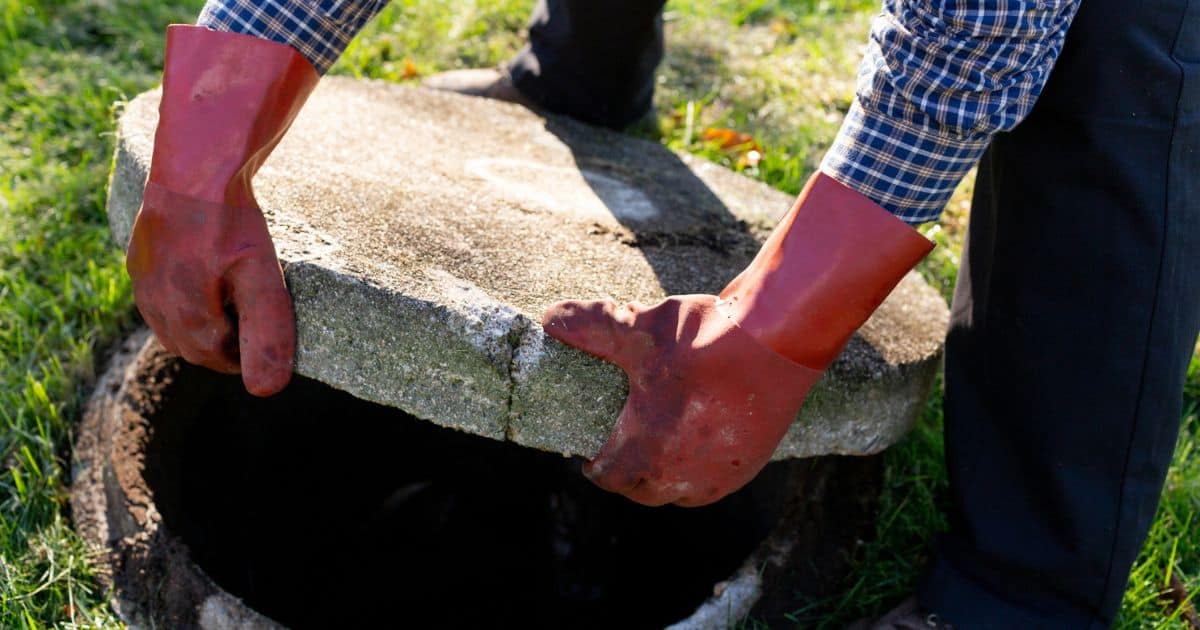
- Failing septic tank components: A cracked tank or failing lid allows gases to escape.
- Overloaded septic tank: An excessively full tank leads to wastewater backing up and releasing odor.
- A malfunctioning leach field: If the leach field is unable to adequately filter wastewater, it can cause a buildup of wastewater and odors.
- Improper ventilation: Inadequate venting of sewer gases can trap odors in your home.
Effective Solutions for Long-Term Odor Control
Once you've identified the problem, selecting the right solution becomes crucial for long-term odor control. Simple fixes might suffice for minor issues, while more complex problems demand professional intervention. Avoid temporary solutions like harsh chemicals, as these often only mask the problem and can damage your septic system. Instead, focus on addressing the underlying cause.
Addressing Specific Issues
Here are some effective solutions based on the problem:
- Clogged drain lines: Call a plumber to clear the blockage. Prevent future clogs by avoiding pouring grease down the drains and using drain screens.
- Failing septic tank components: Repair or replace the damaged components. This often requires professional help and may necessitate excavation.
- Overloaded septic tank: Pump out the tank and reduce wastewater production. Avoid flushing inappropriate items like wipes and sanitary products.
- Malfunctioning leach field: This requires professional assessment. Repair or replacement of the leach field might be necessary.
- Improper ventilation: Ensure proper ventilation by checking and cleaning vent pipes. Consult a plumber if needed.
Prevention is Key: Maintaining Your Septic System
Regular maintenance is the most effective way to prevent future septic tank odor problems. Schedule routine septic tank pumping every 3-5 years (or more frequently depending on tank size and household size). Avoid overloading the system by being mindful of what you flush. Consider using septic-safe products and educating your household about responsible wastewater disposal. By actively maintaining your septic system, you significantly reduce the likelihood of encountering unpleasant odors and costly repairs down the line. A proactive approach guarantees a fresh-smelling home environment for years to come.