Wednesday, November 13, 2024

Septic Tank Odor Solutions: How to Tackle the Smell Effectively

Septic Tank Odor Solutions: How to Tackle the Smell Effectively

Septic Tank Odor Solutions: How to Tackle the Smell Effectively

Let's face it, nobody wants to deal with a smelly septic tank. That pungent, unmistakable aroma can be embarrassing and a real mood killer. But don't worry, you're not alone in this battle! There are plenty of ways to tackle the problem and get rid of those unwanted odors. We're going to break down the best solutions, from simple DIY tricks to more involved methods, so you can finally enjoy a fresh-smelling home again.

Understanding the Source of the Stink

Before we dive into solutions, let's get a little background on why your septic tank smells in the first place. Septic systems work by breaking down wastewater through a natural process. Bacteria in the tank do the heavy lifting, converting waste into sludge and liquids. But, sometimes, the system can get out of whack, leading to odor problems.

Common Culprits

Here are some of the most common reasons why you might be smelling your septic tank:

  • Overloading: Too much waste going in, not enough space for it to break down properly.
  • Poor ventilation: The septic tank needs adequate ventilation to release gases. This can be an issue if vent pipes are blocked or too short.
  • Clogged leach field: The leach field is where treated wastewater is released. If it's clogged, liquid can back up into the tank, leading to odor problems.
  • Failing components: Issues with the tank lid, baffles, or other components can lead to gas escaping.
  • Dry conditions: Dry soil can make it harder for the leach field to function, causing back up.

Easy DIY Odor Solutions

Let's start with some simple tricks you can try at home. They might not fix the root cause, but they can definitely help mask the smell temporarily.

1. Baking Soda and Vinegar

The classic combo! Pour a cup of baking soda down the drain, followed by a cup of vinegar. The fizzing action helps to neutralize odors and can even help loosen clogs.

2. Coffee Grounds

Those used coffee grounds you've been saving? Throw them down the drain! Coffee grounds are known to absorb odors and can help freshen up the system.

3. Citrus Peels

The natural fragrance of citrus is a great way to combat unpleasant smells. Simply toss some orange or lemon peels down the drain. The citrus oil can also help break down grease.

4. Enzyme Products

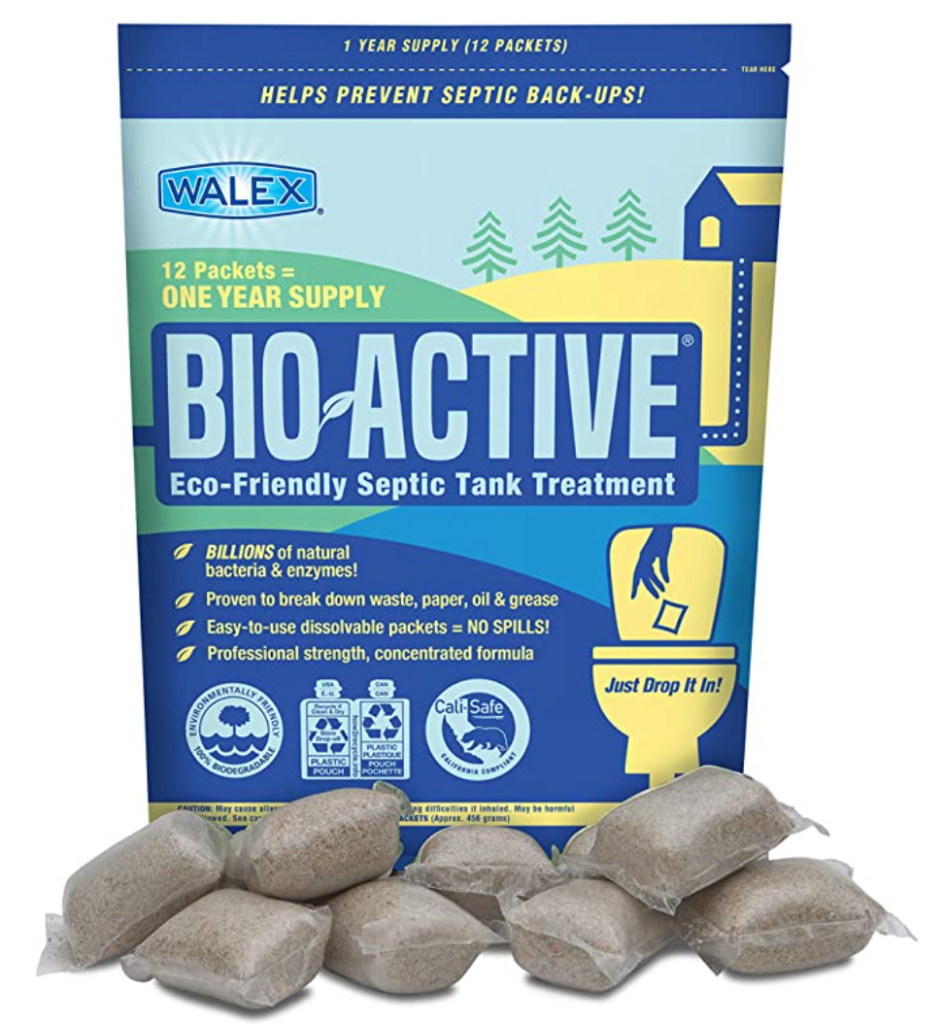
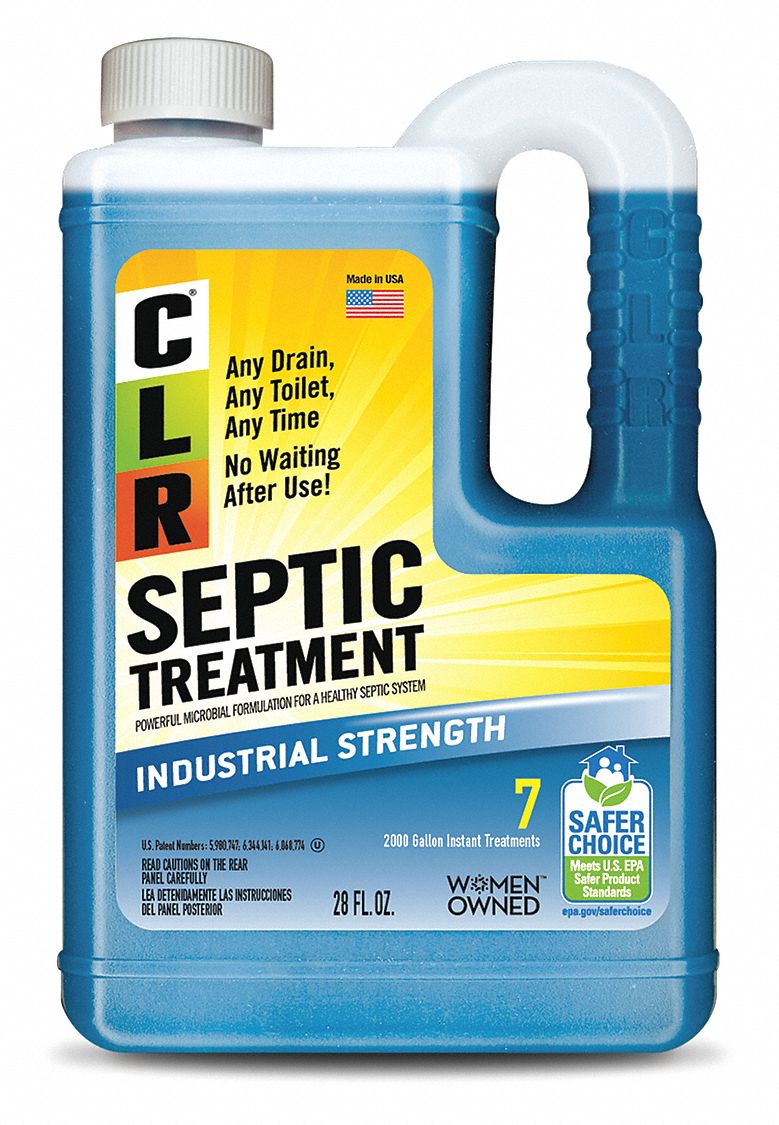
You can find specialized septic tank enzyme products at hardware stores. These contain bacteria that help break down waste more effectively and reduce odor-producing gases.

More Involved Solutions

If the DIY methods don't do the trick, it's time to consider some more proactive solutions. These require a bit more effort, but they can address the root cause of your odor problem.

1. Check the Tank and Leach Field

This is the first step to determining the source of the smell. If you're comfortable with DIY, you can check the tank's lid for cracks or leaks. If you're not, call a professional septic service. They can inspect the tank, the leach field, and even the vent pipes. They can also check for any signs of blockage or malfunction.

2. Pump the Tank Regularly

It's essential to have your septic tank pumped regularly. A full tank can lead to overflow and backups, causing odors. The recommended pumping frequency depends on tank size and household usage. But generally, it's wise to get it pumped every 3-5 years. Check with your local septic service provider for guidance.

3. Repair or Replace Damaged Components

If your septic tank has damaged parts, like the lid, baffles, or vent pipes, they need to be repaired or replaced. These components play a vital role in keeping the system functioning correctly. Don't hesitate to call a professional for help if you're unsure how to handle these repairs.

4. Aerate the Soil

If the leach field is having trouble draining, you might need to aerate the soil around it. This helps improve drainage and allows wastewater to filter out more effectively. You can do this yourself with a garden fork or call a professional for a more in-depth approach.

Tips for Preventing Septic Tank Odors

Once you've tackled the odor, you'll want to prevent it from returning. Here are some tips for keeping your septic system in tip-top shape:

  • Avoid Flushing Things You Shouldn't: This includes wipes, paper towels, grease, hair, and medications. These items can clog the system and disrupt the breakdown process.
  • Be Mindful of Water Use: Limit the amount of water you use for laundry, dishwashing, and showers. This helps prevent overloading the system.
  • Maintain the Drain Field: Avoid parking cars or heavy equipment on the drain field. This helps ensure good drainage and prevents damage to the system.
  • Get Regular Inspections: Schedule regular septic tank inspections to catch any problems early on. Early detection is key to preventing costly repairs and avoiding odor problems.

Living Odor-Free

Tackling septic tank odors can be a bit of a process, but it's totally worth it! By understanding the source of the problem and applying the right solutions, you can enjoy a fresh-smelling home again. Remember, regular maintenance is key to preventing future odor issues. Don't hesitate to contact a qualified septic service if you're unsure about any aspect of your septic system. Happy odor-free living!


How Septic Tank Smell Removers Can Help You Enjoy Your Backyard Again

How Septic Tank Smell Removers Can Help You Enjoy Your Backyard Again

Septic Tank Smell Removers: Reclaim Your Backyard Paradise

Ah, summer. The time for BBQs, lazy afternoons by the pool, and enjoying the warm embrace of the outdoors. But what happens when that idyllic image is tainted by a less-than-desirable odor emanating from your septic system? That’s right, we’re talking about that unmistakable septic tank smell, a potent reminder that your underground waste management system is not quite as silent as it should be.

Fear not, fellow backyard enthusiast! The arrival of a persistent septic tank odor doesn't mean you have to surrender your summer fun. We've got you covered. This article will guide you through the world of septic tank smell removers, helping you understand their magic, uncover the best options, and ultimately, reclaim your backyard paradise.

Why Does My Septic System Smell?

Before we delve into the solutions, let's address the source of the problem. A septic system that's emitting unpleasant smells is usually a sign of an imbalance. Imagine a bustling ecosystem, like your septic tank, where bacteria are supposed to break down waste. When things are working smoothly, these bacteria happily munch away, leaving minimal traces. However, a few factors can disrupt this peaceful coexistence, leading to that unpleasant odor:

  • Overloading: Think of your septic system like a full garbage can. If you push too much waste into it, the bacteria can't keep up, causing a backlog and releasing foul smells. Excessive flushing, washing machines on high cycles, and improper disposal of certain materials can contribute to overloading.
  • Blockages: Picture a clogged drainpipe in your kitchen sink â€" the water backs up, creating a smelly mess. Similarly, blockages in your septic system's drainfield or leach field can trap wastewater, promoting bacterial growth and odor production.
  • Improper Maintenance: Like any well-oiled machine, a septic system needs regular attention. Skipping maintenance, such as pumping out the tank every few years, can lead to an accumulation of sludge and solids, creating breeding grounds for odor-causing bacteria.
  • Age: Just like everything else, septic systems age and wear down over time. Older systems may have cracks or leaks, allowing waste to escape and release that infamous smell.

Knowing the culprit behind the smell helps you pinpoint the appropriate solution. In some cases, a simple adjustment to your waste disposal habits might do the trick. But for a persistent odor, a more targeted approach using septic tank smell removers is often necessary.

The Power of Septic Tank Smell Removers

Septic tank smell removers are essentially odor-eliminating superheroes. They work by attacking the source of the stench: the bacteria that thrive on waste and produce those foul-smelling gases. These removers often contain enzymes and bacteria that break down waste more effectively, reducing the overall odor.

Think of them as the "good bacteria" that outcompete the odor-causing bacteria, creating a more balanced ecosystem within your septic tank. These helpful bacteria do their job silently and efficiently, keeping your septic system running smoothly and your backyard smelling fresh.

Types of Septic Tank Smell Removers

There's a whole cast of characters in the septic tank smell remover world, each with its unique superpower:

  • Liquid Additives: These are often poured directly into the tank, allowing the enzymes and bacteria to work their magic. They come in various formulations, including those designed for general odor control and those specific to certain problems, such as grease buildup.
  • Powdered Additives: These are similar to liquid additives but come in a powdered form. They're usually dissolved in water before being poured into the tank. Powdered additives can be convenient for storage and transport.
  • Bio-Boosters: These are designed to stimulate the natural bacteria in your septic tank, giving them a boost in their waste-digesting abilities. They can be especially helpful if your system is showing signs of slowness.
  • Odor Neutralizers: These don't actually break down waste, but rather mask the odor with pleasant scents. While they can provide temporary relief, they don't address the root cause of the problem.

Choosing the Right Septic Tank Smell Remover

With so many options available, choosing the right septic tank smell remover can feel overwhelming. Here's a guide to help you make an informed decision:

  • Identify the Source of the Odor: Is it a general odor, a greasy smell, or a sewage-like stench? This will help you choose a product specifically designed for your situation.
  • Read the Label: Pay attention to the ingredients and instructions. Look for products containing beneficial bacteria and enzymes that break down waste effectively. Avoid products with harsh chemicals that could damage your septic system.
  • Check for Certification: Some septic tank smell removers are certified by organizations like the National Sanitation Foundation (NSF). This certification ensures that the product meets specific safety and performance standards.
  • Ask for Recommendations: Don't be afraid to ask your local septic system service provider for recommendations on the best septic tank smell removers for your specific needs.

Using Septic Tank Smell Removers: A Simple Guide

Once you've chosen your odor-fighting hero, it's time to put it into action. Most septic tank smell removers come with clear instructions. However, here are some general tips:

  • Follow the Instructions Carefully: The amount of product you use and the frequency of application will vary depending on the product and your septic system. Always refer to the instructions for safe and effective use.
  • Don't Overdo It: Too much of a good thing can actually be detrimental. Using more product than recommended can disrupt the natural bacterial balance in your septic tank.
  • Be Patient: Don't expect instant results. It may take a few days or even weeks for the smell to fully dissipate as the bacteria work their magic.
  • Maintain Your Septic System: Using septic tank smell removers is only a part of the solution. Regular maintenance, including pumping out the tank every few years, is crucial to keep your system running smoothly and prevent odors from recurring.

Reclaiming Your Backyard Bliss

You’ve invested time and effort into creating a beautiful and inviting backyard. Don't let a lingering septic tank smell become an obstacle to your enjoyment. By understanding the root cause of the odor, choosing the right septic tank smell removers, and following the right procedures, you can reclaim your backyard paradise and banish those unpleasant smells for good.

Remember, a healthy and well-maintained septic system means a happy and odor-free backyard. Now go forth, grill those burgers, host those parties, and enjoy your summer to the fullest â€" without a whiff of unwelcome smells!

Outdoor Septic Tank Odor Causes: What You Need to Know

Outdoor Septic Tank Odor Causes: What You Need to Know

Outdoor Septic Tank Odor Causes: What You Need to Know

A properly functioning septic system should remain odor-free. However, if you're experiencing unpleasant smells emanating from your outdoor septic tank, it's a clear indication of an issue that needs attention. These odors can be a nuisance and may even indicate a more serious problem with your system. This article will delve into the common causes of outdoor septic tank odor, helping you understand the problem and take appropriate action.

Understanding Septic System Basics

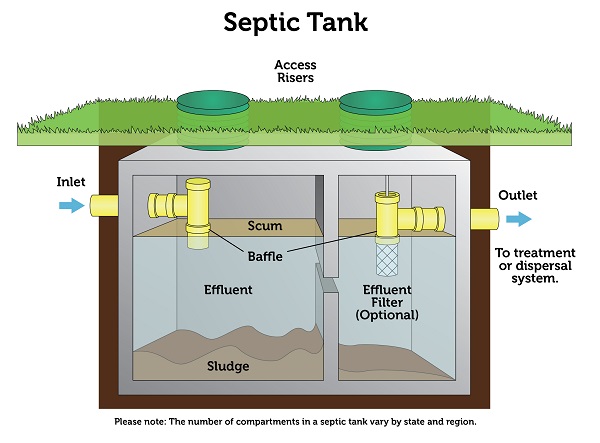
Before diving into the causes of odor, it's essential to grasp how a septic system operates. It's a self-contained wastewater treatment system typically found in areas lacking access to public sewer lines. The system comprises a septic tank and a leach field:

  • Septic Tank: This underground container is where wastewater initially flows. Solids settle at the bottom, forming sludge, while lighter materials float on top, forming scum. Anaerobic bacteria decompose these materials, reducing the volume of waste.
  • Leach Field: The treated effluent (liquid waste) from the septic tank is discharged into the leach field. This consists of underground trenches filled with gravel, which allows the wastewater to filter slowly through the soil, where it is further purified.

Common Causes of Septic Tank Odors

Odors around your septic tank can be caused by a variety of factors. Understanding these causes will help you pinpoint the issue and address it effectively.

1. Septic Tank Overflow

This occurs when the septic tank is overloaded with wastewater, causing it to back up and release foul odors. This can happen due to:

  • Excessive Water Usage: Running multiple appliances, such as washing machines, dishwashers, and showers simultaneously can overwhelm the system.
  • Blocked Drainfield: A clogged leach field prevents wastewater from draining properly, causing it to back up into the septic tank. This is often caused by tree roots growing into the leach field or soil compaction.
  • Incorrect Septic Tank Size: If the tank is too small for the household size and usage, it can easily overflow.

2. Faulty Septic Tank Lid

A damaged or poorly fitted septic tank lid can allow gases to escape, creating an offensive odor. This can occur due to:

  • Cracked Lid: Cracks in the lid can be caused by age, settling, or damage from heavy equipment.
  • Improper Seal: A loose or missing seal around the lid can allow gases to leak out.
  • Rusting Metal Lid: If the lid is made of metal, rust can cause it to corrode and weaken, leading to a poor seal.

3. Septic Tank Sludge Buildup

Over time, sludge accumulates at the bottom of the septic tank. When sludge levels reach a certain point, they can interfere with the proper functioning of the system, leading to odor problems.

  • Reduced Capacity: Sludge buildup reduces the volume of the septic tank, making it more prone to overflowing.
  • Gas Production: As bacteria decompose the sludge, they produce gases that can escape through the vent pipe, creating a pungent odor.

4. Septic Tank Vent Issues

The septic tank vent pipe is crucial for releasing gases and preventing pressure buildup. Problems with this pipe can lead to odor issues:

  • Blocked Vent Pipe: Birds, rodents, or debris can obstruct the vent pipe, causing a blockage that traps gases inside the tank.
  • Damaged Vent Pipe: A damaged vent pipe, such as cracks or breaks, can allow gases to escape, releasing a foul odor.

5. Leach Field Problems

A failing leach field can also contribute to septic tank odor. This occurs when the field can't properly filter wastewater, resulting in backflow and odors.

  • Clogging: The leach field can become clogged with organic matter, soil compaction, or roots, preventing efficient drainage.
  • Overload: Exceeding the design capacity of the leach field can overwhelm its filtration capabilities, leading to backflow and odors.
  • Improper Installation: Incorrect installation of the leach field, such as insufficient slope or improper backfill material, can also cause problems.

6. Improper Septic Tank Usage

Your daily habits can impact your septic system. Certain actions can contribute to odor problems:

  • Flushing Non-Biodegradable Items: Flushing items like wipes, paper towels, and feminine hygiene products can clog the system and cause odors.
  • Pouring Chemicals Down the Drain: Harsh chemicals like bleach, paint thinner, and pesticides can harm the bacteria responsible for breaking down waste in the septic tank, leading to odor issues.
  • Overusing Water Softeners: Excessive use of water softeners can overwhelm the septic system with salt, causing odor problems.

Addressing Septic Tank Odor

Once you've identified the cause of the odor, you can take appropriate action to address it. Here's a breakdown of solutions:

1. Pumping the Septic Tank

Regular septic tank pumping is essential for maintaining a healthy system. Pumping removes the accumulated sludge and scum, preventing overflow and odor problems. Consult a qualified septic service for recommendations on pumping frequency.

2. Repairing or Replacing the Septic Tank Lid

If the lid is cracked or damaged, repair it or replace it with a new one. Ensure the lid seals tightly to prevent gas leaks. Consult a professional for this repair.

3. Inspecting and Cleaning the Vent Pipe

Examine the vent pipe for blockages or damage. Clean any debris or obstructions. If the pipe is damaged, replace it to prevent gas escape.

4. Repairing or Replacing the Leach Field

If the leach field is failing, it may need repair or replacement. A qualified septic service can diagnose the problem and recommend the appropriate solution.

5. Changing Your Usage Habits

Adopt responsible usage habits to prevent overloading the system. Avoid flushing non-biodegradable items, pouring harsh chemicals, and overusing water softeners.

Preventing Future Odor Issues

Preventing septic tank odor requires regular maintenance and responsible usage. Here are some helpful tips:

  • Schedule Regular Pumping: Pump the septic tank every 3-5 years, or as recommended by a professional.
  • Inspect the Lid and Vent Pipe: Check for cracks, damage, and blockages regularly.
  • Avoid Overloading the System: Be mindful of water usage and avoid flushing non-biodegradable items.
  • Maintain the Leach Field: Keep vegetation away from the leach field to prevent roots from growing into the system.
  • Seek Professional Assistance: Consult a qualified septic service for regular inspections, maintenance, and any repairs or replacements.

By understanding the causes of septic tank odor, addressing them promptly, and practicing preventive measures, you can ensure a healthy and odor-free septic system, enhancing your property's value and improving your overall quality of life.

Tuesday, November 12, 2024

How to Fix Septic Tank Smell with Proper System Upkeep

How to Fix Septic Tank Smell with Proper System Upkeep

Conquering the Septic Tank Smell: A Guide to Proper System Upkeep

A pungent, unpleasant odor wafting from your yard can be a real nuisance. It can even signal a problem with your septic system, specifically the tank. The smell can be a sign of a failing septic tank, but it's more often a symptom of poor maintenance. Fortunately, with proper upkeep and understanding, you can eliminate the septic tank odor and maintain a well-functioning system. This guide will provide you with the essential steps to conquer the smell and ensure your septic system thrives.

Understanding the Source of the Odor

The foul smell emanating from your septic tank arises from the breakdown of organic waste. Bacteria in the tank decompose waste, releasing gases like hydrogen sulfide, ammonia, and methane. While these gases are a natural byproduct of the breakdown process, they can become overpowering if the system is not functioning optimally.

Combatting the Odor: A Multi-pronged Approach

Tackling a septic tank smell requires a multifaceted approach. This approach involves proactive maintenance, regular inspections, and addressing any underlying issues that may be contributing to the odor.

1. Regular Pumping

The most crucial step in preventing and eliminating septic tank odor is regular pumping. A full tank reduces the available space for wastewater to decompose, leading to backups and odors.

  • Pumping every 3-5 years is generally recommended, but this can vary depending on the size of your tank, the number of people in your household, and the amount of water usage.
  • Consult a local septic professional for specific recommendations based on your system.
  • Keep a record of when you last had your tank pumped to stay on schedule.
  • 2. Proper Waste Management

    The types of waste you introduce into your septic system play a significant role in odor production.

  • Avoid flushing items like flushable wipes, paper towels, feminine hygiene products, and medications, which can clog the system and hinder waste breakdown.
  • Limit the use of harsh chemicals like bleach and cleaners, as these can kill off beneficial bacteria responsible for decomposition.
  • Opt for septic-safe cleaners and detergents, which are formulated to be gentle on the system.
  • 3. Inspecting the System

    Regular inspections by a qualified septic professional can identify potential issues early, minimizing the risk of major problems and unpleasant odors.

    4. Addressing Underlying Issues

    If the smell persists despite regular maintenance, there may be underlying issues requiring professional attention.

  • A cracked tank or leaking pipes can release foul-smelling gases into the surrounding area.
  • A blocked leach field can prevent wastewater from draining properly, leading to backups and odors.
  • A failing septic system can emit a strong, persistent odor that is difficult to eliminate.
  • 5. Maintaining the Drain Field

    The drain field plays a crucial role in filtering wastewater and releasing it back into the environment. A clogged or damaged drain field can lead to backups and foul odors.

  • Avoid parking vehicles or planting heavy vegetation over the drain field area.
  • Ensure proper drainage to prevent water from pooling around the drain field.
  • Home Remedies for Temporary Relief

    While these methods won't address the root cause of the odor, they can provide temporary relief until you can address the underlying issues.

  • Sprinkling baking soda on the ground around the septic tank can help absorb odors.
  • Using a drain cleaner specifically designed for septic systems can break down grease and other blockages in the tank.
  • Conclusion

    Conquering a septic tank smell requires a proactive and comprehensive approach. By adhering to regular maintenance schedules, managing waste responsibly, and addressing any underlying issues, you can eliminate the odor and ensure a healthy and efficient septic system. If you're experiencing persistent odors or suspect a problem with your system, consult a qualified septic professional for an inspection and expert advice. Remember, a well-maintained septic system is a silent and reliable part of your home, working behind the scenes to keep your daily life running smoothly.

    Monday, November 11, 2024

    Best products to remove septic tank smell in bathroom

    Best products to remove septic tank smell in bathroom
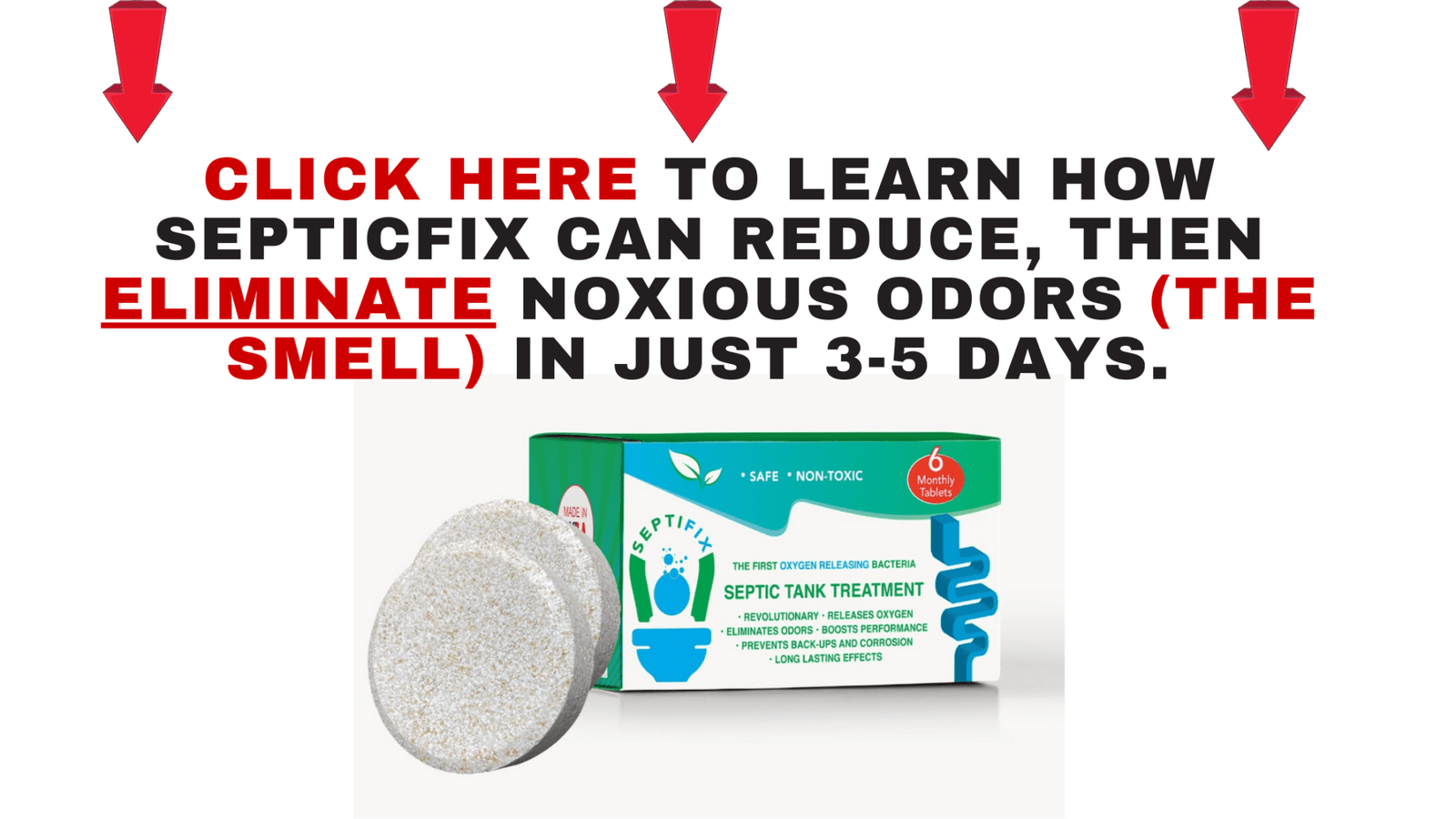
    The Best Septic Tank Odor Neutralizers Can Reduce Smells in Just Days

    This tool also helps soften skin by gently exfoliating as you use it! Promising review: "These products have been a fantastic find for me. They're exceptionally gentle on sensitive skin, easy to

    The Wisdom Voyage Best products to remove septic tank smell in bathroom

    Caught a whiff of something that smells suspicious? Don't ignore it â€" it might just be pointing towards a sinister issue

    7 smells that might be a sign of something dangerous in your home â€
    Septic Smells in Your Bathroom - EcoCare

    The septic system’s leach field and tank must be maintained properly. Skipping the regular maintenance can result in the tank water becoming greasy. This grease then deposits into the soil, preventing In November 2022, the FDA passed a resolution allowing Americans to purchase hearing aids over-the-counter. In September, Apple announced that it would be bringing hearing aid features to the AirPods While litter box maintenance will probably never be your favorite chore, the best cat litters make the necessary task a whole lot easier. Here are our top picks for 2024.

    Service and care for your septic system
    The Best Bathroom Cleaners For Septic Systems: Protecting Your Plumbing

    We spent hours researching and testing various bathroom wallpapers to identify the best options on the market. We looked for wallpapers that were durable, easy to clean, and had a variety of Update 11/1/2024 -- The Hisense U7N, which makes an appearance on this list, is currently on sale at Best Buy and Amazon. Fortunately, we’re all about keeping our favorite apples in the same

    If There Were A Problem-Solving Hall Of Fame, You Would Find These 20 Target Products There
    Best Toilet Cleaners for Septic System Tanks | Septic-Safe Cleaning

    Best products to remove septic tank smell in bathroom - to assist you to improve the eye of our tourists will be excited to help with making these pages. bettering the grade of this article is going to most people test in the future so as to definitely fully grasp just after here posting. Last of all, it is not necessarily a couple written text that must be made to convince you. although a result of the disadvantages connected with dialect, we can easily solely provide this Service and care for your septic system topic together these

    How to get rid of septic tank smell in bathroom

    How to get rid of septic tank smell in bathroom
    How to Get Rid of a Bad Smell in the House | Sewer smell in bathroom

    That is not to say that we have to put up with them, however. More often than not, these musty smells are pretty easy to get rid of, so you can make a bathroom smell good again with ease â€" and all you

    Enlightenment Expeditions How to get rid of septic tank smell in bathroom

    More often than not, these musty smells are pretty easy to get rid of, so you can make a bathroom smell good again with ease â€" and all you need is a few smart cleaning tips, professionals assure.

    How to get rid of musty smells in a bathroom â€
    How To Get Rid Of Smelly Room Smell at Lia Tait blog

    Tracking down a mildew smell in your bathroom can feel hopeless. It may seem like you’ve cleaned every single inch in your attempt to get rid of the mildew smells in the bathroom to no avail. When moisture remains in the fabric, mildew, mold, and bacteria can grow on your bathroom towels â€" including hand towels and washcloths â€" producing a gross, musty smell. To get rid of this smell for Taking care of your septic get too full and lead to other issues. That’s why it’s good to be aware of signs that your septic tank is filling up, such as greener grass above the drainfield

    How to Get Rid of Mildew Smells in the Bathroom
    How To Get Rid Of Cigar Smell In The House at Roger Reyna blog

    Most of us have experienced the odor of mold: musty, stale, or earthy; it is a most unpleasant scent. It may take some effort, but getting rid of the mold smell around the house is relatively Out of all of the smells that can linger in your home, the smell of smoke can be the most stubborn to remove. Sometimes, different types of smoke need different removal methods. Luckily, American Home

    The Unexpected Culprit Of Bathroom Odor & How To Get Rid Of It
    How to Get Rid of Septic Tank Smell -Outside & Inside - Plumbing Sniper

    How to get rid of septic tank smell in bathroom - to assist you to improve the eye of our tourists can also be pretty pleased for making this site. improving upon human eye your content may all of us put on in the future to enable you to actually comprehend immediately after perusing this article. Finally, it is not a few words that need to be designed to persuade you will. still because the rules about foreign language, you can easliy mainly gift any How to Get Rid of Mildew Smells in the Bathroom talk in place in this article

    Long-lasting septic tank treatment brands

    Long-lasting septic tank treatment brands
    Nenita Costa

    The material the septic tank is made from affects the upfront cost as well as the long-term durability septic tanks can be expected to last between 20 and 30 years. Some high-quality concrete

    Wisdom Unveiled Long-lasting septic tank treatment brands

    With proper septic tank maintenance, you can have an efficient and effective wastewater management system of your own for decades without relying on a municipal treatment system. Keeping your

    How To Maintain A Septic Tank
    Best septic tank treatments for rural homeowners | AGDAILY

    Keywords: Septic Arthritis, Clinical Outcomes, Treatment Predictors, Risk Factors, Arthroscopic Washout vs. Arthrotomy Important Note: All contributions to this Research Topic must be within the scope You can alternatively use a piece of rebar or any long, narrow object that they could have seen your septic tank being serviced at some point in the last five years, in which case they If you live in a rural area and your home isn't connected to the mains drainage, you're likely to have a septic tank. Its purpose is to treat the waste water from your property and maybe adjoining

    Exploring Clinical Outcomes and Treatment Predictors in Septic Arthritis
    Signs Your Home’s Septic System Is Failing

    This is a rare case, to the best of our knowledge, of an EGFR-mutated lung adenocarcinoma achieving a long-lasting response to afatinib that persisted after treatment discontinuation. Two issues are

    How to Find Your Septic Tank
    Septic tank treatment â€" Ericvisser

    Long-lasting septic tank treatment brands - to help you acquire the eye of our own guests will also be very pleased to create this site. fixing the grade of this article might you put on in the future so as to definitely fully grasp after reading this post. As a final point, it is far from one or two thoughts that needs to be made to convince most people. but due to the limitations of language, we will exclusively offer a Exploring Clinical Outcomes and Treatment Predictors in Septic Arthritis argument all the way up in this case

    Search This Blog

    Powered by Blogger.